Measuring Dimensions and Standard Patio Depth
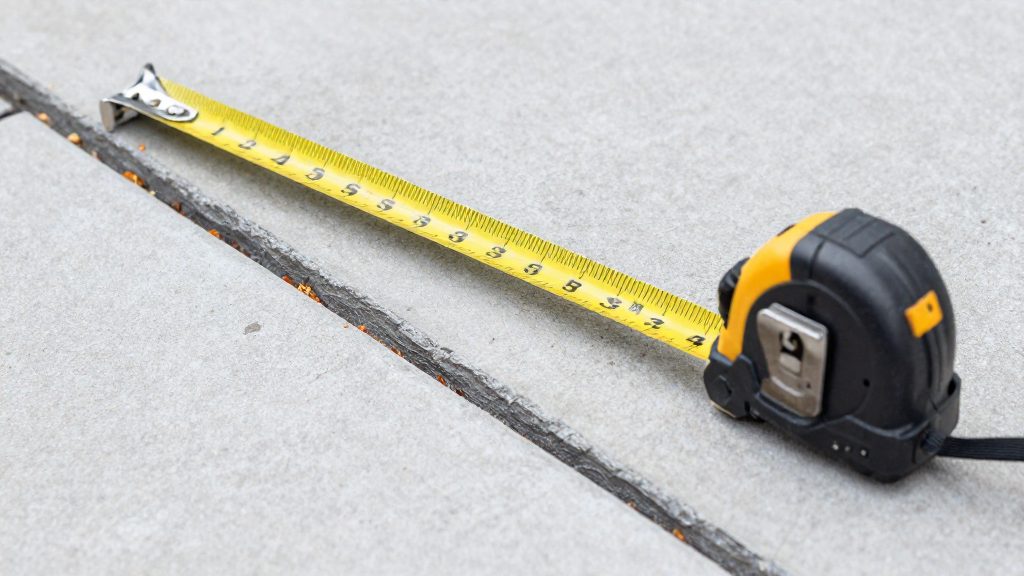
Accurate volume calculation begins with establishing the physical boundaries of your project area. Measure the length and width of the intended patio space in feet. For non-rectangular layouts, divide the area into smaller rectangles or triangles, measure each section, and sum the results to find the total surface area.
The standard thickness for a residential concrete slab is 4 inches. This depth provides sufficient structural integrity for foot traffic and light furniture. When calculating volume, convert this thickness into feet (4 inches equals approximately 0.333 feet) to maintain consistent units.
Proper drainage is essential to prevent water pooling. The slab should be pitched away from the house at a rate of 1/4 inch per foot. If the site is uneven, account for the slope by adjusting the depth at the high and low ends before finalizing your volume estimate.
| Parameter | Standard Specification | Purpose |
|---|---|---|
| Slab Thickness | 4 inches | Structural support for residential use |
| Drainage Slope | 1/4 inch per foot | Directs water away from foundation |
| Measurement Unit | Feet | Consistency for volume calculation |
How to Calculate Cubic Feet and Cubic Yards
To determine the amount of concrete required, convert linear dimensions into volume. First, multiply the length and width of the patio area in feet by the thickness of the slab in feet. This yields the total volume in cubic feet. The basic equation is: Length (ft) × Width (ft) × Thickness (ft) = Volume (cu ft).
Once you have the total cubic feet, convert this number to cubic yards. Since one cubic yard equals 27 cubic feet, divide your total cubic feet by 27. This gives you the precise quantity of concrete needed in the unit used by suppliers.
Alternatively, calculate directly in cubic yards using a simplified formula for a standard 4-inch thick slab: (Length in feet × Width in feet) ÷ 81 = Cubic Yards. This direct method is faster and reduces calculation errors.
| Calculation Step | Formula | Unit |
|---|---|---|
| Volume in Cubic Feet | Length × Width × Thickness | Cubic Feet |
| Conversion to Cubic Yards | Total Cubic Feet ÷ 27 | Cubic Yards |
| Direct Cubic Yard Calculation (4-inch slab) | (Length × Width) ÷ 81 | Cubic Yards |
How Many Bags of Concrete Do You Need?
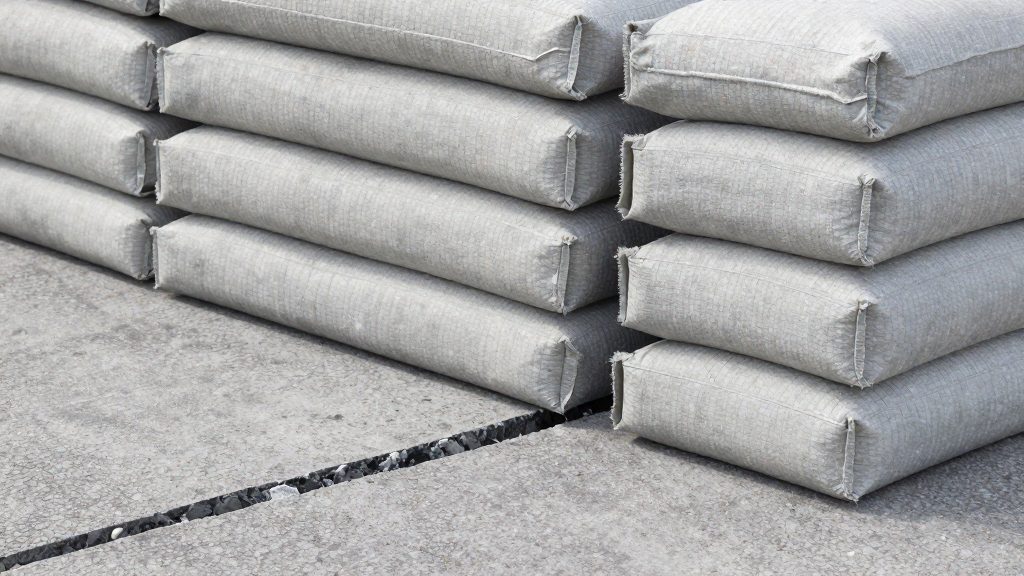
Once you have calculated the total volume in cubic yards, convert that volume into a specific number of bags. The number of bags required depends on the weight of the bag you choose. Standard retail bags come in three common sizes: 40 lb, 60 lb, and 80 lb.
A 40 lb bag typically yields about 0.30 cubic feet of concrete. You would need approximately 90 of these bags to fill one cubic yard. This option is often chosen for very small patches or repairs.
A 60 lb bag yields roughly 0.45 cubic feet. To fill one cubic yard, you need about 60 bags. This is a middle-ground option that balances weight and quantity.
An 80 lb bag is the most common choice for full patio projects. It yields approximately 0.60 cubic feet, meaning you need 45 bags to equal one cubic yard. This larger bag reduces the total number of trips and mixing time.
To find your total bag count, multiply your calculated cubic yards by the bags-per-yard ratio for your chosen bag size. For example, if your patio requires 2 cubic yards and you are using 80 lb bags, you would need 90 bags (2 × 45). Always round up to the nearest whole bag.
Adding the Necessary Buffer for Waste and Uneven Ground
The raw geometric volume often underestimates the actual material needed. Real-world conditions introduce variables that consume extra mix. To ensure you have enough material to complete the pour, apply a waste allowance to your initial calculation.
The standard practice is to add a buffer of 5% to 10% to your total volume. This adjustment accounts for:
- Uneven Subgrade: Low spots require more concrete to reach the desired thickness.
- Spillage and Cleanup: Concrete inevitably spills over form edges or gets stuck in tools.
- Formwork Deflection: Wooden forms can shift slightly under pressure, increasing the internal volume.
To apply this buffer, multiply your calculated volume by a factor between 1.05 and 1.10. Choosing the higher end of the range is advisable for larger projects or sites with significant ground irregularities.
When Should You Order Ready-Mix Concrete Instead of Bags?
Deciding between bagged concrete and a ready-mix truck delivery hinges primarily on the total volume of your project. The general rule of thumb is that ready-mix delivery becomes the practical choice when your required volume exceeds 1 cubic yard.
At a standard 4-inch thickness, 1 cubic yard of concrete covers an area of approximately 80 square feet. If your patio design is smaller than this footprint, bagged concrete is usually manageable. Once you cross that 80-square-foot mark, the physical labor of mixing and carrying dozens of heavy bags outweighs the convenience of a single truck delivery.
Logistics also play a significant role. A ready-mix truck can deposit the entire volume in one go, ensuring a continuous pour that minimizes cold joints. In contrast, bagged concrete requires mixing in smaller batches, which can lead to inconsistencies in strength and finish. Additionally, consider site access. If your patio is located in a tight backyard, a large truck may not be able to reach the pour site. In such cases, you may need to stick with bags despite the increased labor.
Worked Examples for Common Patio Sizes
To determine the concrete volume required, apply the direct formula for a standard 4-inch slab: multiply the length by the width in feet, then divide the result by 81. This yields the quantity in cubic yards.
For a small patio measuring 8 feet by 10 feet, the calculation is straightforward. Multiplying 8 by 10 gives 80 square feet. Dividing 80 by 81 results in approximately 0.99 cubic yards. Adding a 10% buffer brings the total to roughly 1.09 cubic yards. Since this volume is close to the threshold for ready-mix delivery, you might consider ordering a single truckload or purchasing bags.
A medium patio of 12 feet by 16 feet requires more material. The area is 192 square feet. Dividing 192 by 81 yields approximately 2.37 cubic yards. With a 10% overage, you need about 2.61 cubic yards. This volume clearly exceeds the 1-cubic-yard threshold, making ready-mix truck delivery the most practical option.
For a large patio spanning 20 feet by 24 feet, the area is 480 square feet. Dividing 480 by 81 gives approximately 5.93 cubic yards. Including the waste allowance, the total requirement rises to about 6.52 cubic yards. At this scale, coordinating with a ready-mix supplier is essential to ensure the concrete is poured before it begins to set.
Frequently asked questions
How do I convert my patio dimensions into the amount of concrete needed?
Multiply the length and width in feet by the slab thickness in feet to get cubic feet, then divide by 27 to find the cubic yards required. For a standard 4-inch slab, you can also use the direct formula: (Length × Width) ÷ 81.
What thickness should I use for a residential concrete patio?
A 4-inch thickness is the standard specification for residential patios, providing sufficient structural integrity for foot traffic and light furniture. Always ensure the slab is pitched at 1/4 inch per foot away from the house for proper drainage.
How much extra concrete should I order to account for waste?
It is recommended to add a 5% to 10% overage to your calculated volume to cover uneven subgrade, spillage, and formwork deflection. This ensures you have enough material to complete the pour without running short.