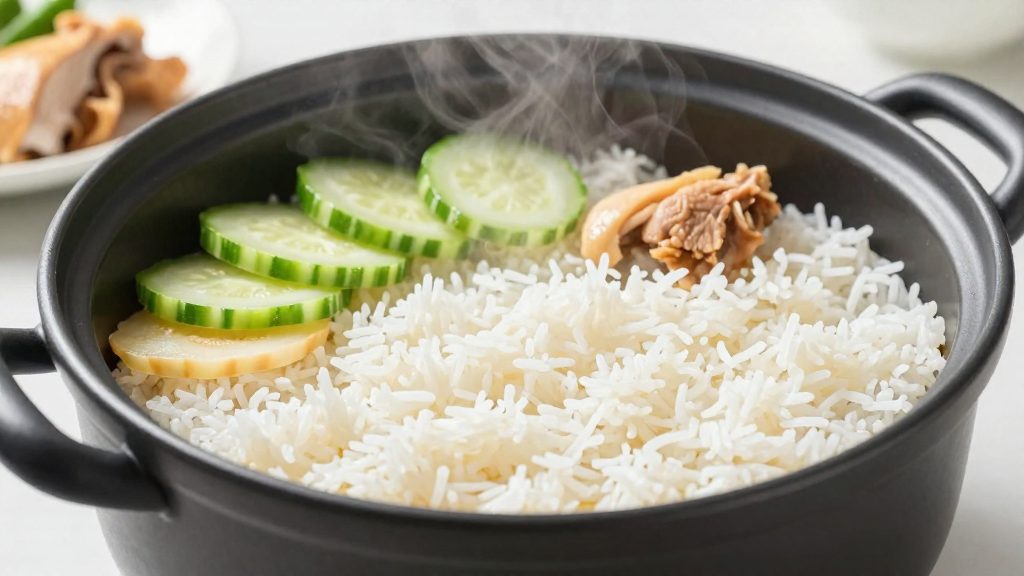
Why one portion size does not fit a family of four
A family of four is not four copies of the same person. A young child, a teenager and two adults differ in size, growth needs and appetite, and the same person may want more on one day than on another. So instead of looking for one portion that works for everyone, start from a daily amount for each person and then divide the cooking by who is eating.
Start from the daily amounts, not the label
The official summary of the 2025–2030 Dietary Guidelines for Americans sets amounts for the whole day. On that page you will find 3 servings of vegetables a day, 2 servings of fruit a day, 2 to 4 servings of whole grains a day, and a protein target of 1.2 to 1.6 grams per kilogram of body weight a day. The page does not give an age for these figures and does not define a serving, so use them as a check on what the household eats over the day, not as a plate size for each child.
The protein target is easy to work out for an adult. At 70 kilograms, the range is 84 to 112 grams across the whole day, not per meal. Spread that across breakfast, lunch, dinner and snacks, and you can see that no single dinner needs to carry it all.
For younger family members, use the age-based figures in the full guidelines and in the official USDA calorie and food-group calculator. Those figures depend on age, sex, height, weight and activity level, which is exactly why one table rarely fits a whole household.
Read the label serving size first
The Nutrition Facts label uses standardized serving sizes. The U.S. Food and Drug Administration explains that they are set ‘to make it easier to compare similar foods.’ They are given in household units, such as cups or pieces, followed by a metric weight. The line for servings per container tells you how many portions a package holds.
The FDA is clear that a serving is not a target. Its guidance says the serving size ‘is not a recommendation of how much you should eat or drink.’ It reflects what people typically eat, which may be more or less than a particular person needs.
The FDA’s lasagna example shows the arithmetic. A package with 4 servings and 1,120 calories works out to 280 calories per serving. If you cook one such package for four people, each person gets one label serving. That is only a starting point. The label tells you how to divide the food, not how much each person should eat.
Work out each person’s share step by step
First, list each person with their age, size and how active they are during a typical week. Second, look up the daily amounts for that person in the official guidelines or run the USDA calculator to get a rough target. Third, add the four targets together for the week’s shopping list, then divide each day’s cooking into meals.
This method gives you a plan, not a rule. Check it against what actually happens for two weeks. If a family member is always hungry, or always leaves food, change the amount you cook for that person rather than changing the whole meal.
When you cook from a recipe, look at how many servings it claims and count the people you are feeding. Recipes often list a serving size that is smaller than what a teenager or an adult who works physically hard will eat. Divide the batch by the servings the recipe gives, then adjust for the people at your table.
Adjust for children, teens and different appetites
Young children generally need smaller portions than adults. Serve small amounts and let them ask for more. This keeps waste down and lets them learn to recognize fullness. Do not push them to clear the plate, because that can teach them to ignore hunger signals.
Teenagers often eat more than adults during growth spurts. Plan for larger amounts of grains, protein and vegetables for them, and let the rest of the family adjust around that rather than cutting their portions.
Adults with very different activity levels can also eat very differently. Someone who works outdoors or trains several times a week may need much more than someone who works at a desk. Plan by person, not by the average.
For young children, cut firm, round or sticky foods into small, soft pieces and stay with them during meals. These foods can cause choking, and supervision matters more than portion size in that case.

Turn the plan into a shopping and cooking list
Once you have a daily amount for each person, multiply by the number of days you are planning for and add a small margin for the unexpected, such as an extra guest or a hungry week. Put vegetables and fruit on the list first, because they are the easiest to over-buy or under-buy. Then add grains, proteins and dairy or dairy alternatives.
When you cook, make the main dish first and set aside the amount for the next day before you serve dinner. Waiting until after everyone has eaten makes it harder to judge what is left and easier to over-serve.
Keep a simple note of what you cooked and what came back to the kitchen. After a few weeks, you will know which meals run short and which always leave leftovers.
Cook, serve and store leftovers safely
Keep hot food hot and cold food cold while you serve. Do not leave cooked food out on the counter for long periods. Refrigerate leftovers promptly, and divide large batches into shallow, covered containers so that they cool quickly all the way through.
Before you eat leftovers, reheat them until they are steaming hot throughout, not just warm on the outside. Use a food thermometer and check the temperature against the official food-safety guidance. If you are not sure how long something has been stored or whether it was kept cold, throw it out.
Make sure the refrigerator is cold enough and that you are not overloading it, because air needs to move around containers to keep food at a safe temperature.
When to ask a professional
If a child has a medical condition, a special diet, slow growth, or ongoing trouble with eating, talk with a doctor or a registered dietitian before changing portions. A general guide can help you plan a typical family meal, but it cannot replace advice based on a person’s health history.
Frequently asked questions
Can I freeze leftovers from a family meal?
Yes. Freezing keeps food safe for longer than refrigerating, although quality can decline over time. Portion food into containers before you freeze them so each part thaws quickly, label each one with the date, and reheat only what you plan to eat.
Do I need a kitchen scale to portion food for four?
Not always. Measuring cups and the same serving bowl used every time are enough for most family meals. A scale is useful when you want more precision, such as when you are trying to match a protein target by weight.
What if one person is always hungry after dinner?
First check whether the meal has enough vegetables, whole grains and protein to feel filling. Add more of those before you reach for sugary snacks. If hunger keeps coming back, or you are worried about the person’s growth or eating, speak with a doctor.