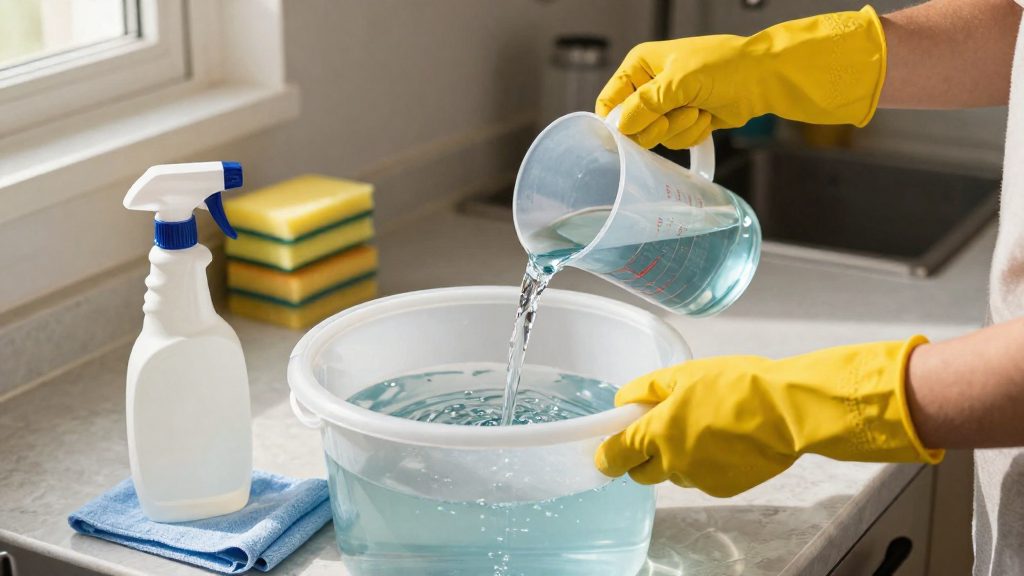
Bleach to Water Ratio for Disinfecting: Calculate Any Dilution
Bleach to water ratio for disinfecting: 5 mL bleach per 250 mL water for a mild solution, plus the formula, worked examples and safe mixing steps.
Free calculators and worked examples to figure out how much paint, tile, concrete, mulch, food, water, detergent or insulation a job needs, in metric.
Paint required
6.6 L
Enter your measurements, then calculate.
Bleach to water ratio for disinfecting: 5 mL bleach per 250 mL water for a mild solution, plus the formula, worked examples and safe mixing steps.
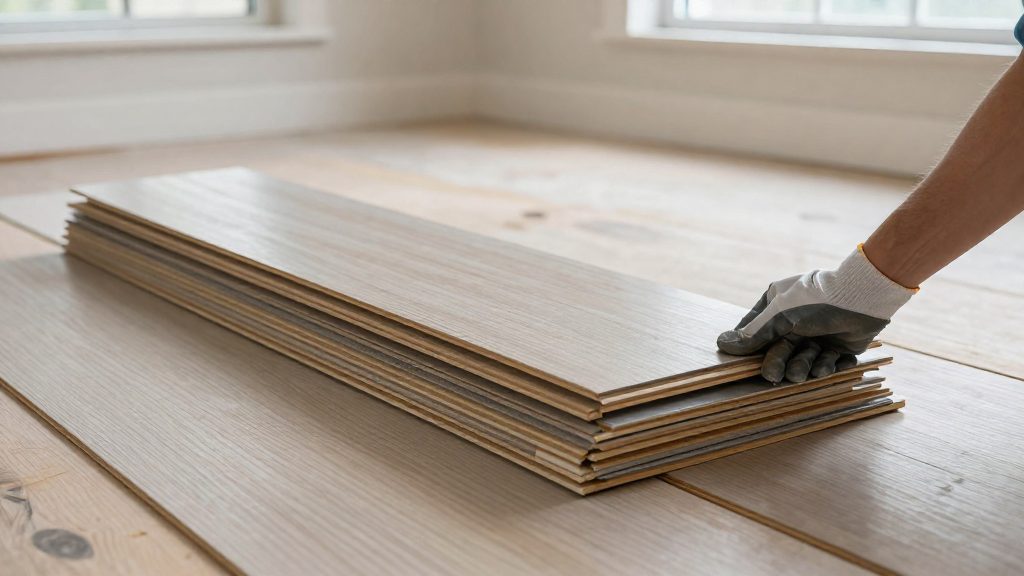
Find out how many boxes of laminate flooring you need: measure the room, add a waste allowance for your layout, divide by box coverage and round up.
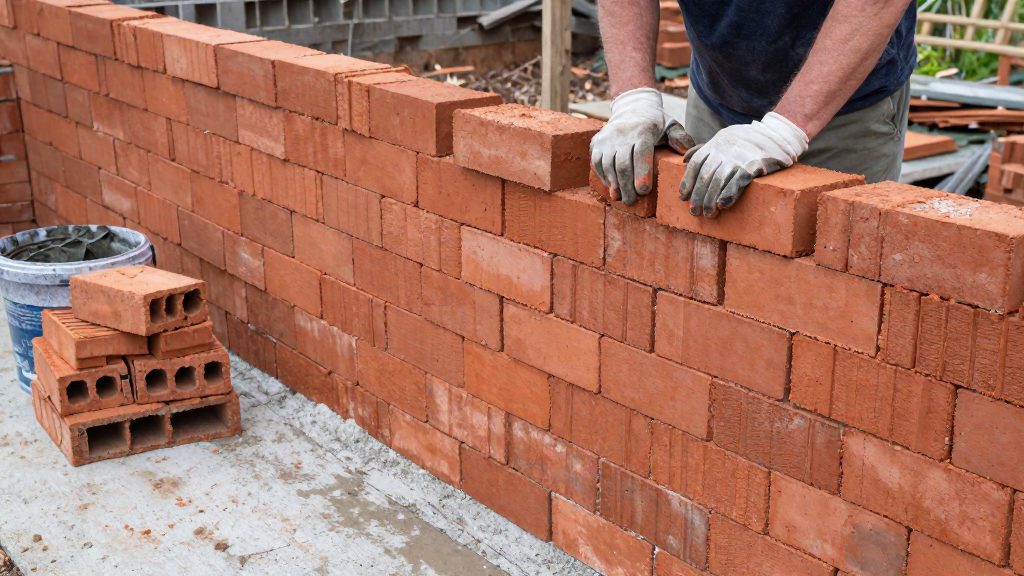
Calculate bricks per square foot for a wall: 6.86 modular, 6.55 non-modular at a 3/8 in joint, plus a worked example, openings and ordering tips.
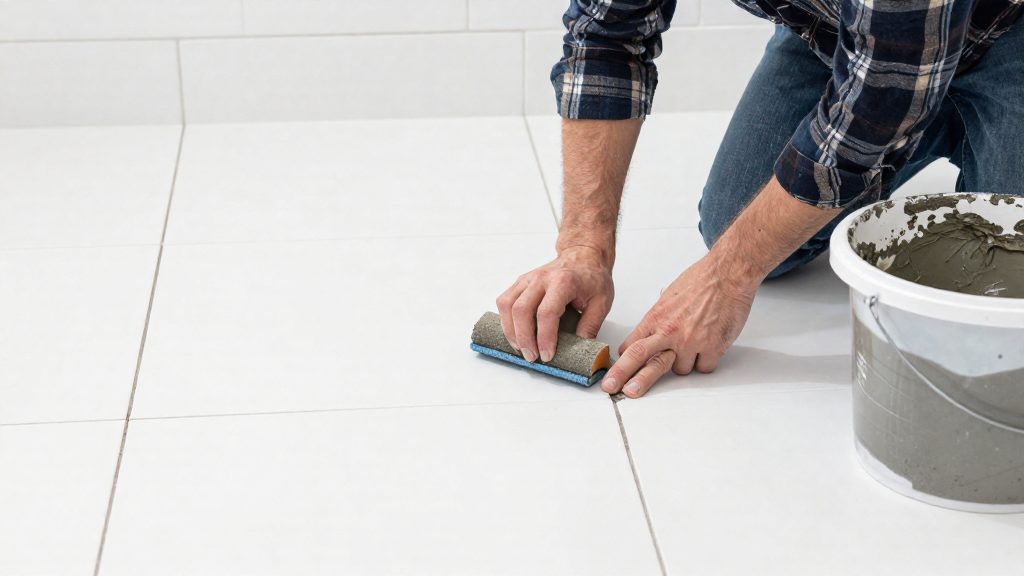
Calculate how much grout you need per square foot of tile from joint width, joint depth and tile size, with a worked example and a 10% waste allowance.
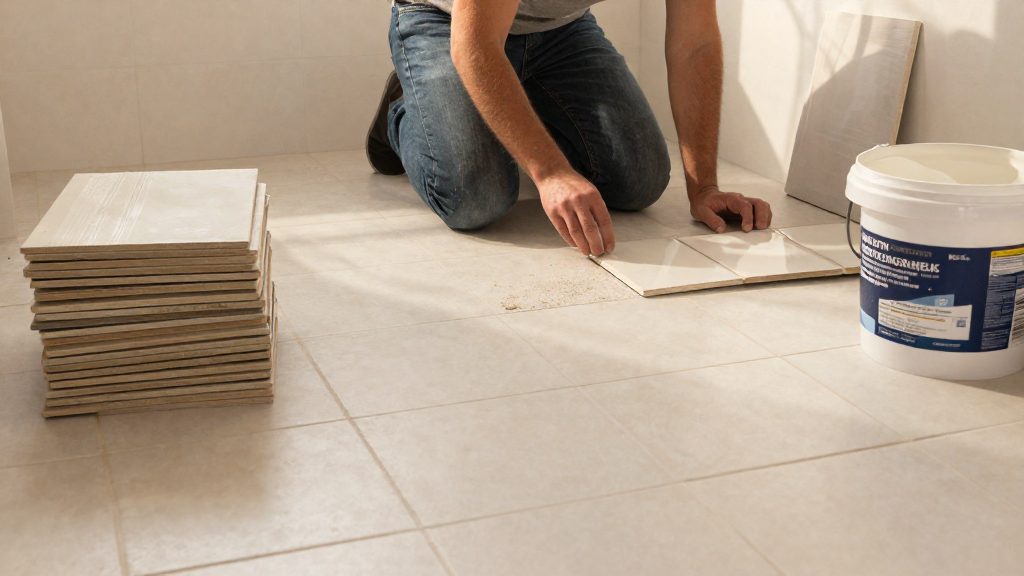
For 200 sq ft of 12 × 12 in tiles, you need 200 tiles plus waste, about 220 at 10%. Formula, waste rates by layout, box counts and worked examples.
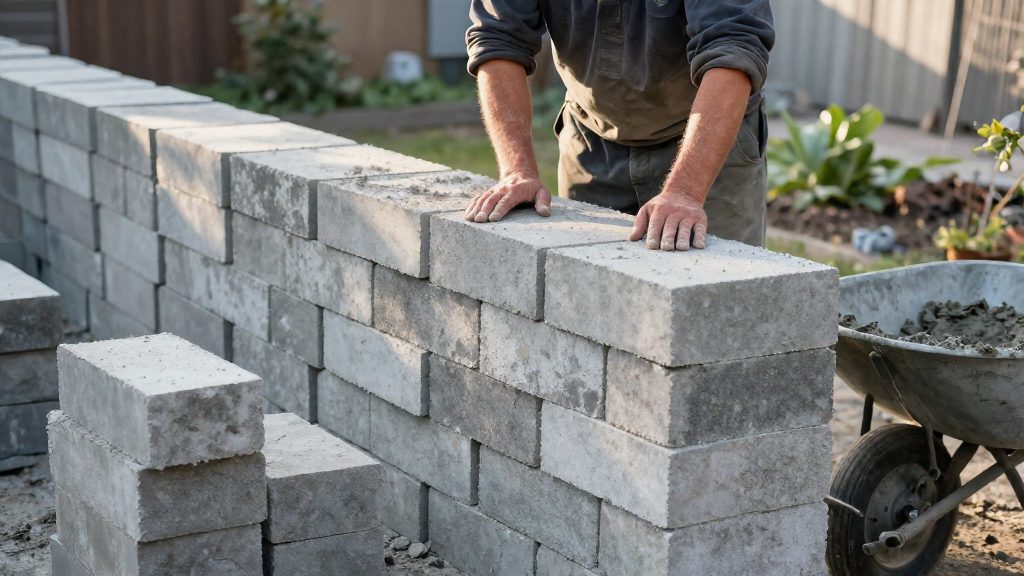
An 8 foot wall of standard 8 x 8 x 16 inch blocks needs 9 blocks per linear foot before waste. Learn the count, waste allowance and openings.
Every section and its latest articles.
One gallon of paint covers up to 400 sq ft (about 37 m²). Learn to measure walls, subtract openings, plan coats and primer, and buy the right amount.
A 10x12 bedroom with 8 ft ceilings has about 352 sq ft of wall. Learn how to calculate paint for one or two coats, handle openings and leftovers.
Work out how much primer a 12x12 room needs, from wall and ceiling area and openings to label coverage in litres, plus lead-safe prep for older homes.
Find out how many boxes of laminate flooring you need: measure the room, add a waste allowance for your layout, divide by box coverage and round up.
For 200 sq ft of 12 × 12 in tiles, you need 200 tiles plus waste, about 220 at 10%. Formula, waste rates by layout, box counts and worked examples.
Learn how many tiles you need for a kitchen backsplash: measure the wall, convert area to tile count, add a waste allowance, and plan safe outlet cuts.
For a typical bathroom floor, order 10 to 15% extra tile; mosaics and natural stone need more. Formula, worked example in metres and spare-box advice.
Calculate bricks per square foot for a wall: 6.86 modular, 6.55 non-modular at a 3/8 in joint, plus a worked example, openings and ordering tips.
An 8 foot wall of standard 8 x 8 x 16 inch blocks needs 9 blocks per linear foot before waste. Learn the count, waste allowance and openings.
Learn how many cubic yards of mulch a flower bed needs, with the length × width × depth formula, a worked example, depth guidance and a settling margin.
Calculate how much gravel for a 20 foot driveway: volume formula, worked example in cubic yards and metres, depth, extra allowance and safe digging.
Calculate how much topsoil a raised bed needs: multiply length, width and depth, convert to cubic metres or yards, then apply your mix ratio.
How much mulch you need around a tree ring: depth of 7.5 to 10 cm, width out to the drip line, 15 cm clear of the trunk, and a worked volume example.
How much fertilizer per square foot of lawn: turn a nitrogen rate into bag weight, convert to square metres, and apply on a safe, even schedule.
Learn how much fertilizer a vegetable garden needs in metric units, how to convert the rate to any bag, a worked 12 m² example and safety tips.
Calculate how much seed to use for overseeding a lawn: rate × area ÷ 1,000, half the new-lawn rate, kg per 100 m² figures and a worked example.
Plan rice for dinner: Health Canada's 125 mL cooked serving, how to convert to dry rice with the package yield, and amounts for 4, 6 or 10 guests.
How much pasta per person for a family of four? Plan 125 mL cooked per person, about 500 mL for four, then convert to dry weight with a simple test.
Plan about 1.5 lb (680 g) of whole turkey per guest for Thanksgiving, with a simple formula, worked examples, thawing times and safe temperatures.
Plan 4 litres of water per person per day for at least 72 hours. Household formula, worked example, pet and storage notes, and safe treatment steps.
Work out how much water a dog should drink per day by weight, using mL per kg, with worked examples for 5, 20 and 40 kg dogs and warning signs.
How many litres of water a shower uses, with a flow rate × minutes formula, a family of four example, and a bucket test to measure your own shower.
Bleach to water ratio for disinfecting: 5 mL bleach per 250 mL water for a mild solution, plus the formula, worked examples and safe mixing steps.
Find out how much laundry detergent to use per load from the bottle label, with a worked example, HE washer tips, water hardness and safe storage.
Work out how many drywall sheets a basement ceiling needs: measure the area, subtract openings, add about 10% for waste, then divide by sheet size.
Calculate how many wallpaper rolls you need for a 10 ft ceiling: measure the perimeter, count whole strips, add waste, and check the worked chart.
Calculate how many wallpaper rolls a feature wall needs using strips, pattern repeat and roll length, with a metric example and spare-roll advice.
Work out how many wallpaper rolls a small room needs: measure the perimeter, count whole strips, then adjust for doors, windows and pattern repeat.
Calculate how much grout you need per square foot of tile from joint width, joint depth and tile size, with a worked example and a 10% waste allowance.
Estimate how much caulk a bathtub surround needs: measure the seams, match bead size to tube yield, add waste, and allow the cure time before use.
Practical calculators and tables, free and with no sign-up.